
Can a small desktop injection molding machine reduce the prototyping cost by half?
In the realm of product development, the cost of traditional product prototyping can be a significant hurdle, especially for startups and small - to - medium - sized enterprises (SMEs). The high expenses associated with steel molds and large - scale injection molding setups often limit the number of design iterations and slow down the development cycle. However, desktop injection molding machines offer an innovative and cost - effective solution for rapid prototype production. In this blog, we'll explore the entire process of using a desktop injection molding machine for quick and efficient prototyping, with a focus on how KingChen Machinery's offerings can streamline this process.
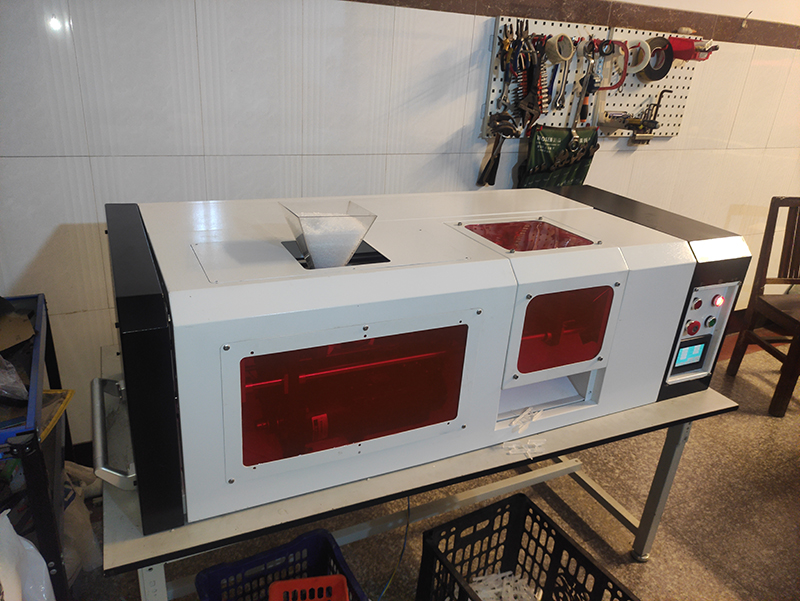
1. Understanding the Basics of Desktop Injection Molding
Desktop injection molding machines are compact, user - friendly devices that can perform the same fundamental injection molding process as their industrial counterparts, but on a smaller scale. They are designed to be used in small workshops, research and development (R&D) departments, or even at home by hobbyists and inventors. These machines are ideal for producing small - scale prototypes, short - run production parts, and custom - made components.
Key Advantages of Desktop Injection Molding
- Cost - Efficiency: Traditional injection molding often requires expensive steel molds, which can cost tens of thousands of dollars. In contrast, desktop injection molding can use more affordable materials like aluminum or even 3D - printed molds. KingChen Machinery offers a range of desktop injection molding machines that are not only competitively priced but also consume less energy, further reducing long - term costs.
- Quick Turnaround: With desktop injection molding, you can go from a design concept to a physical prototype in a relatively short time. This allows for rapid design iterations, enabling you to test and refine your product faster. KingChen's machines are engineered for high - speed operation, minimizing the time between each injection cycle.
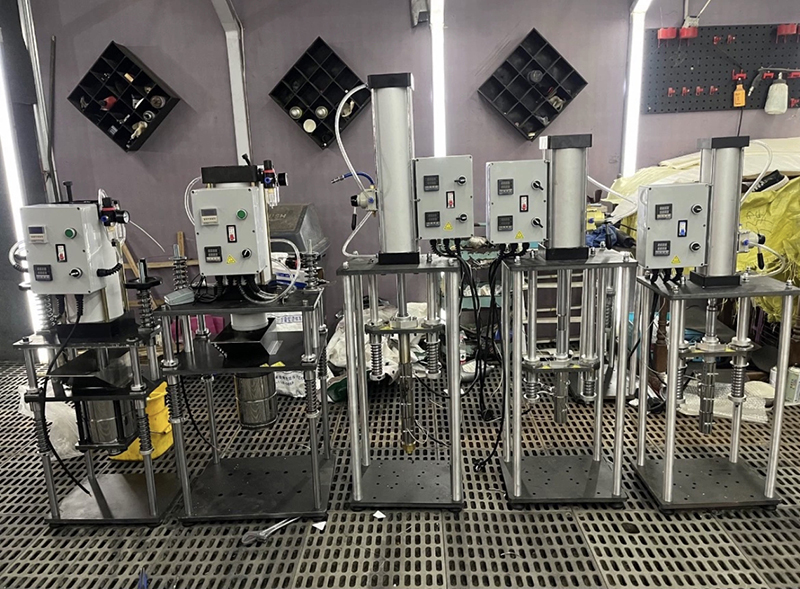
2. The Step - by - Step Process of Desktop Injection Molding for Rapid Prototyping
Step 1: Design Your Prototype
The first and most crucial step is to create a 3D model of your product using computer - aided design (CAD) software. This model will serve as the blueprint for your prototype. Ensure that you consider all aspects of the design, including the product's functionality, aesthetics, and manufacturability. Pay attention to details such as draft angles, wall thickness, and undercuts, as these factors can significantly impact the injection molding process.
Step 2: Prepare the Mold
Once your design is complete, you need to create a mold. There are several options for mold creation in desktop injection molding:
- 3D - Printed Molds: You can use a 3D printer to create a mold from a suitable 3D - printable material. This option is quick and cost - effective, especially for simple designs. However, 3D - printed molds may not be as durable as traditional molds and are best suited for low - volume prototyping.
Step 3: Select the Right Material
Choose a thermoplastic material that matches the requirements of your prototype. Consider factors such as the material's mechanical properties, chemical resistance, and cost. Some common materials used in desktop injection molding include:
- ABS (Acrylonitrile Butadiene Styrene): Known for its strength, toughness, and heat resistance, ABS is a popular choice for a wide range of applications.
- PETG (Polyethylene Terephthalate Glycol - Modified): PETG offers a balance of strength, clarity, and chemical resistance, making it suitable for applications where transparency is important.
Step 4: Set Up the Desktop Injection Molding Machine
Install the mold into the KingChen desktop injection molding machine. Make sure the mold is properly aligned and secured. Then, load the selected thermoplastic material into the machine's hopper. Set the appropriate temperature, pressure, and injection speed settings based on the material and mold specifications. KingChen Machinery's machines come with user - friendly control panels that make it easy to adjust these settings.
Step 5: Injection Molding Process
Once the machine is set up, start the injection molding process. The machine heats the thermoplastic material until it becomes a molten state. Then, it injects the molten plastic into the mold cavity under high pressure. The plastic fills the cavity, taking the shape of the mold. After the plastic has cooled and solidified, the mold opens, and the prototype is ejected.
Step 6: Post - Processing
After removing the prototype from the mold, it may require some post - processing. This can include trimming excess plastic, sanding the surface for a smoother finish, or adding any necessary inserts or components. Post - processing helps to improve the appearance and functionality of the prototype.
Step 7: Testing and Evaluation
Finally, test your prototype to ensure it meets the desired specifications. Conduct functional tests, such as strength and durability tests, as well as aesthetic evaluations. Based on the test results, you may need to make adjustments to the design, mold, or injection molding process and repeat the steps until you achieve the desired prototype.
3. Why Choose KingChen Machinery's Desktop Injection Molding Machines?
- Quality and Reliability: KingChen Machinery is renowned for manufacturing high - quality desktop injection molding machines. Their machines are built with precision components and advanced technology, ensuring consistent and reliable performance.
- Technical Support: KingChen offers comprehensive technical support to its customers. Whether you have questions about machine operation, mold design, or material selection, their team of experts is ready to assist you.
In conclusion, desktop injection molding machines, especially those offered by KingChen Machinery, provide a cost - effective and efficient solution for rapid prototype production. By following the steps outlined in this blog, you can significantly reduce the cost and time associated with product prototyping, giving you a competitive edge in the market.
- Company Info
- Feedback
- Customer Reviews
- About Us
- Contact Us
- News
- F.A.Q
- Moulds & Samples
- User Center
- Forget Password
- My Orders
- Tracking Order
- My Account
- Register